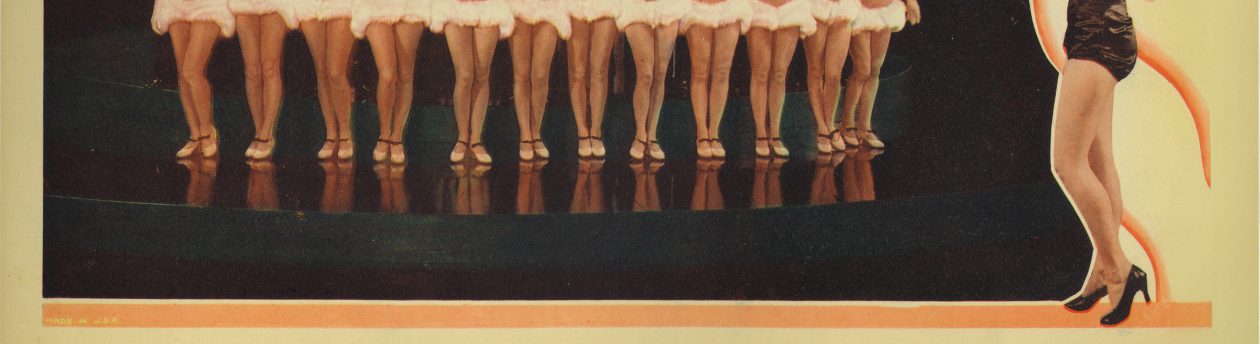
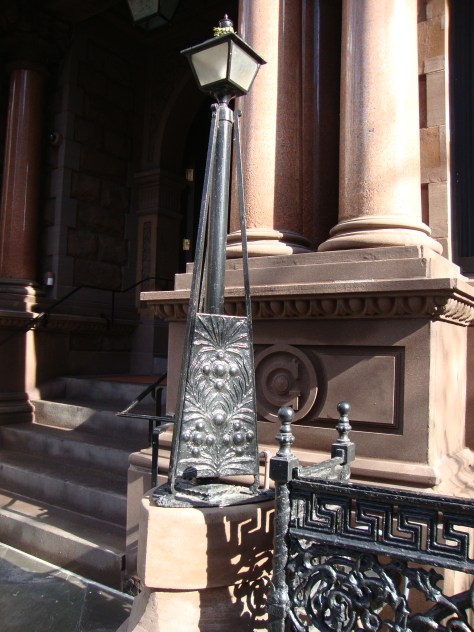
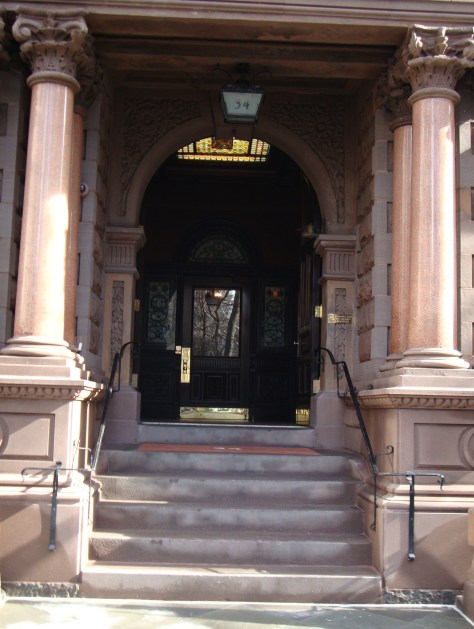
St. Mark’s Church-in-the-Bowery has long been associated with dance. It’s rival activities and bizarre landscape are sources of intrigue and history of other writers. Needless to say, it is iconic. It is the second oldest church in New York City and is also a venue since the 1960’s for other activities. The church was built in 1799 on top of the original chapel of Peter Stuyvesant, one of New York City’s founders and its director general. He was a one-legged man with daughters, and the abutting street, Stuyvesant Street, at its funny angle is a true East/West Street in New York-another is named for his other daughter. Can you find it? Alexander Hamilton helped design it with another architect and intended to serve the local “farming community” (which seems funny today.) It was called Bowery Village at the time. There is a honeycomb of burial vaults in the underground caverns of the church and above are markers, many are worn away, but some are visible and still surrounded by uneven brick paths. The hilly landscape serves to remind visitors, noting its odd bumpiness, that it is indeed a cemetery. This is the final resting place of many famous vice presidents, mayors and Peter Stuyvesant.
St. Mark’s has a most extensive urban history, echoing the changes of the 20th century in its performances which ranged from experimental rock and poetry to dance and also are noted for combining politics or an openness of views. Supporting the artistic community since the 19th century, poet Kahlil Gibran was appointed a member of the St. Mark’s Arts Committee in 1919, and the next year, two Indian statues, flanking the front exterior entrance, “Aspiration” and “Inspiration”, were erected. These were by sculptor Solon Borglum. Allen Ginsberg was another poetry great long-associated with the Poetry Project
In 1922 Isadora Duncan danced here and Martha Graham in 1930. Ruth St. Denis and Charles Weidman also performed here. Dancespace tried to resurrect this association with its non-profit dance entity in 1974, when dancers Barbara Dilley and Mary Overlie sought to present, support, and encourage new work in dance and performance, by both young and more established artists. Notable choreographers who have presented their work at Danspace since the 1970’s include Lucinda Childs, Seàn Curran, Douglas Dunn, David Gordon, Iréne Hultman, Bill T. Jones, John Kelly, Kenneth King, Bebe Miller, Meredith Monk, Steve Paxton, David Rousseve, and Nina Wiener. The connected and guiding influence of presenting modern dance at St. Mark’s Church-in-the-bowery is in part owed to writer and dance critic Jill Jonhston. Johnston was responsible for dance critic who considered for creating a confluence between the modern dancers of the past, such as Martha Graham with other forerunners of what was called Judson Church, prevalent in the 80’s. Dancers of that movement included Merce Cunningham/John Cage, Paul Taylor and Ann(a) Halprin. Recalling historical influences of these dancers as part of her influence, such as Isadora Duncan, Doris Humphrey, Martha Graham, Charles Weidman, José Limon, Kurt Jooss, Lotte Goslar, Anna Sokolow, Frederick Ashton, George Balanchine, and Léonide Massine allowed her to invoke a spirit of connectedness with the past, and spiderwebbed dance culture in New York, spawning a revival in dance related forms through various choreographers and Judson Church, which was held here. Johnston also mentioned lesser known artists Norman Walker, Brian Macdonald, John Butler, and Richard Kuch. Johnston’s favorites were the Judson dancer-choreographers themselves: Yvonne Rainer, Steve Paxton, Robert Morris, Lucinda Childs, Cunningham/Cage; and Martha Graham.
Notably, Johnston predates contemporary views about dance and movement in what some would call crazy, stream of conscious thought, mirrored in art and literature, which when represented by dance, criticize society and, in particular, art criticism’s academic and political roles-not just art for art’s sake, but with some underlying purpose to persuade and convince.
One of the rapid changes of the 20th century in dance has been what dance is and can be regarded to be and Johnston offered the point of view that movement previously regarded as nondance became dance. Judson was a groundbreaking program which used ordinary gestures, such as walking, sitting, and eating, etc or games and exercise as a prime example that life activities were other forms of movement which could be logically incorporated into dance. Isolated examples of this influence are Ashton’s ballets of ice skating and other sports motifs, or the parallels in Jerome Robbin’s Westside Story Suite. Modern innovators extending this explanation by Johnston might include Kader Belarbi and Pina Bausch. Johnston’s views of dance and the work of Judson Church, primarily hosted by St. Mark’s Church-in-the-Bowery encouraged us to consider movement representable by dance to be everything we do, experience, and live, without our ever being particularly aware, ever, of where these ideas originated or were “conflagrated”.
In addition to fringe writers, female, homosexual, and new voices, St. Mark’s continued to be considered a radical venue featuring new or experimental works and ideas. In drama, St. Mark’s also nurtured strong voices: Richard Foreman was auteur theater director there for 18 years, leaving in 2013, but back in 1964, Sam Shepard‘s first two plays, Cowboys, and Rock Garden were produced here under similar skillful production. It is a renowned musical concert venue and for a while hosted a nationally televised Christian rock concert series. A November 1, 1971 poetry reading by Patti Smith with Lenny Kaye on guitar began the Patti Smith Group.
Event their religious services have had a long history of social activism which simply intensified further after 1911 when the modernist rector, Dr. William Norman Guthrie took over until 1937. Guthrie was a collaborator of Frank Lloyd Wright’s who had a love of dance which did not always sit well with parishioners when he incorporated it into services. The Bishops of the Episcopal Church also disliked it intensely. His “eurythmic ritual”—was the earliest art form as well as the most direct language of religion he believed and he had a dance troupe which performed it as part of the church services.
Today there is a Poetry Project, and Danspace Project hosts here annually. Children use the yard as a playground from the nursery next door and fundraisers and symposiums are held as the space is continually rented out. Events are also staged throughout the year.
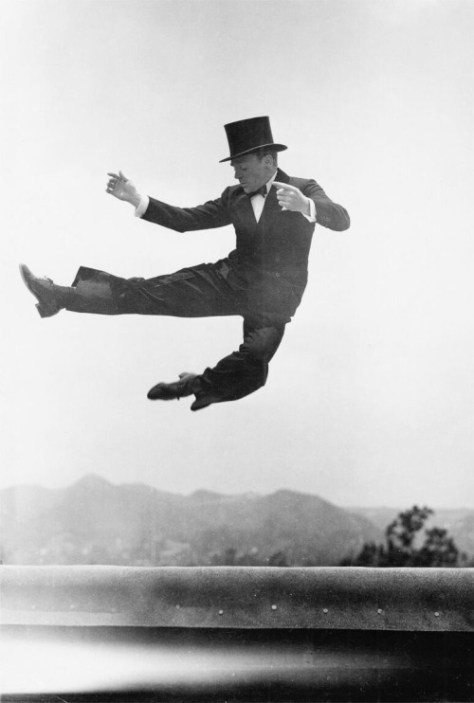
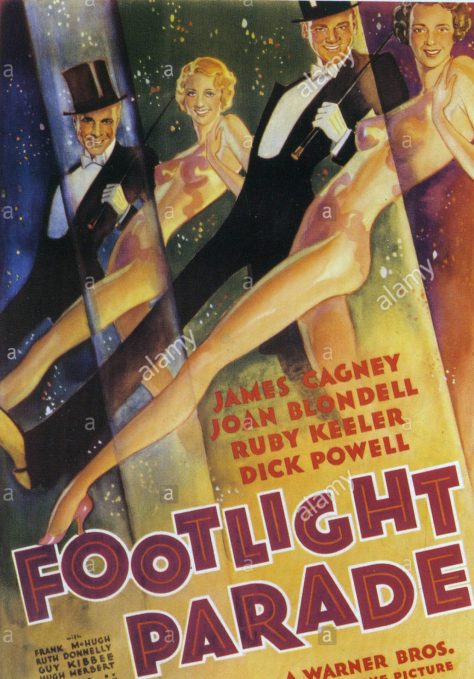


 Those Dancing Feet